Free pouring with tapered spouts: the count, the fit and the practice

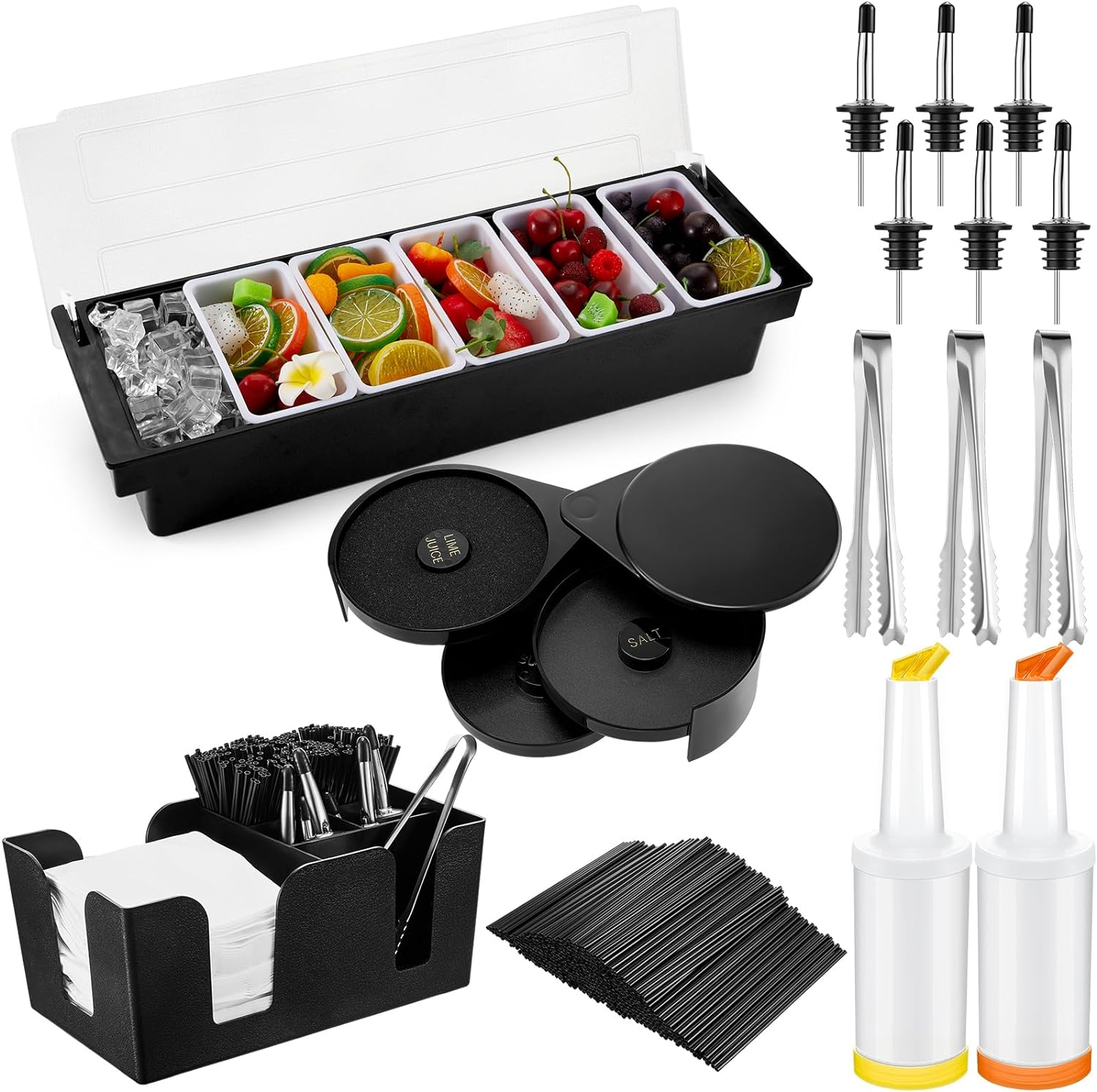
Mastering the art of free pouring is a cornerstone skill for any professional bartender, allowing for speed, efficiency, and a touch of flair behind the bar. While jiggers and measuring tools offer precise portion control, the ability to accurately free pour elevates service, particularly during busy periods. It’s about developing a keen sense of volume and flow, transforming guesswork into a highly refined and repeatable action.
Central to this skill is the humble pour spout, specifically the tapered variety. These versatile tools fit snugly into spirit bottles, directing the liquid into a consistent, controlled stream. Understanding how to select the right spout, ensure a proper fit, and then calibrate your pour through consistent practice is key. This guide will walk you through the essentials, from the mechanics of the spout to the development of your personal pouring rhythm, ensuring precision without the need for additional measuring equipment.
Understanding the Tapered Spout
Tapered pour spouts are designed to fit a wide range of standard spirit bottles, featuring a conical stopper that creates a tight seal. Their primary function is to regulate the flow of liquid, ensuring a smooth, steady stream rather than an uncontrolled gush. The metal or plastic tube extending from the stopper typically has a small vent hole, which allows air to enter the bottle as liquid exits, preventing glugging and promoting an even pour.
The design of the spout itself, particularly the diameter of its opening, influences the speed of the pour. Some spouts are engineered for a faster flow, while others offer a more restricted rate, which can be beneficial for high-value spirits or for bartenders just beginning to learn free pouring. Selecting spouts with a consistent flow rate across all your bottles is crucial for developing a uniform counting system and maintaining accuracy.
The Importance of a Snug Fit
A proper fit between the pour spout and the bottle neck is absolutely paramount for accurate free pouring. If the spout is too loose, it can wobble or even fall out, leading to spills, waste, and inconsistency in your pour. Conversely, a spout that is too tight can be difficult to insert and remove, potentially damaging the stopper or the bottle neck over time, and becoming a nuisance during a busy shift.
When selecting your pour spouts, it’s wise to consider those with flexible fins or ribs on the stopper, which adapt to slight variations in bottle neck diameters. A snug fit ensures that every drop of liquid is directed through the spout, maintaining a predictable flow rate essential for accurate counting. Regularly check your spouts for wear and tear, as compromised stoppers will affect the seal and, consequently, your pouring precision.
Calibrating Your Pour: The Count
The ‘count’ is the universally recognised method for free pouring exact measurements. It involves a consistent, rhythmic verbal or mental count for a specific volume of liquid. For instance, a common starting point might be a four-count for a single measure (e.g., 25ml or 1oz). The key is establishing a count that corresponds precisely to the desired volume as the liquid flows from your chosen spout.
To calibrate your count, you’ll need a jigger or measuring cup. Fill a bottle with water, attach a pour spout, and practice pouring into the jigger while counting aloud. Experiment with the speed of your count until you consistently hit the target volume. This process requires patience and repetition, as different spouts and even different liquids can subtly affect flow, so calibrate with the exact spouts and types of spirits you’ll be using.
Developing a Consistent Rhythm
Beyond the numerical count, developing a consistent physical rhythm is equally important for accuracy. This includes the angle at which you hold the bottle, the speed at which you tip it, and the moment you bring it back upright to cut off the flow. A smooth, fluid motion that is identical for every pour builds muscle memory and reduces variation.
Your pouring rhythm should feel natural and effortless, not rushed or forced. Think of it like a dance: a smooth lift, a steady pour with your count, and a clean snap back to stop. Any hesitation or uneven movement will disrupt the flow rate and compromise your accuracy. Practice maintaining this rhythm even when you’re not counting, so the physical act becomes second nature.
Practising with Water: The Essential First Step
Before you ever attempt to free pour with actual spirits, extensive practice with water is absolutely essential. Water is readily available, inexpensive, and perfectly replicates the flow characteristics of most spirits for initial training. Fill several empty spirit bottles with water, fit them with the exact pour spouts you intend to use, and set up your practice station.
Use a jigger to check your accuracy rigorously. Pour, count, and immediately check the volume. If you’re off, adjust your count or your technique and try again. This iterative process of pour-check-adjust is how you engrain precision. Focus on consistency across different bottles and spouts, ensuring your four-count for a single measure is always spot on, regardless of which bottle you pick up.
The Practice Setup
To maximise your practice, create a realistic setup. Stand in front of a mirror to observe your pouring posture and technique. Use different bottle shapes and sizes, as their weight distribution can subtly alter your pour. The more varied your practice, the better prepared you’ll be for the dynamic environment of a real bar. Dedicate time each day to this water practice until your pours become effortlessly accurate.
Don’t underestimate the value of repetition. It’s not about how quickly you learn to free pour, but how consistently you can execute it. Aim for a high level of accuracy (e.g., within 1-2ml) on every pour. This meticulous practice with water builds the foundational skills that will translate directly to efficient and precise service when you’re working with actual liquor.
Advanced Techniques and Bottle Handling
Once your basic count and rhythm are solid, you can explore more advanced free-pouring techniques. This includes pouring multiple ingredients simultaneously, known as “tandem pouring,” or adjusting your pour for larger volumes with extended counts. These skills build on your fundamental accuracy and require an even greater command of your bottle handling and counting rhythm.
Proper bottle handling is crucial. Always grip the bottle securely, ensuring your fingers don’t obstruct the pour spout’s vent hole, which would cause an inconsistent flow. When cutting off the pour, a sharp, decisive wrist flick is often more effective than simply rotating the bottle upright slowly, as it minimises drips and ensures a clean stop. Developing these nuances comes with continuous practice and attention to detail.
Maintaining Your Spouts for Optimal Performance
Even the best pour spouts won’t perform optimally if they aren’t properly maintained. Residue from spirits, particularly liqueurs or sugar-based mixers, can build up inside the spout and in the vent hole, restricting flow and leading to inaccurate pours. It’s imperative to clean your pour spouts regularly, ideally after every shift, to prevent blockages and maintain hygiene.
Disassemble any removable components, then wash spouts thoroughly with warm soapy water and a small brush to clear any internal blockages. Pay close attention to the vent hole. Ensure they are completely dry before reassembling and storing. Regular inspection for cracks, worn rubber fins, or bent metal parts will also ensure you replace any compromised spouts promptly, preserving your pouring accuracy and efficiency.
The Human Element: Consistency and Focus
Ultimately, free pouring is a human skill, and like any skill, it demands consistency and unwavering focus. Even with the best spouts and extensive practice, momentary lapses in concentration can lead to inaccurate pours. Maintaining mental discipline, especially during peak service hours, is what distinguishes a good free pourer from a truly exceptional one.
Avoid distractions, maintain your established count, and trust your muscle memory. Fatigue can also affect accuracy, so manage your energy and take short breaks if possible during long shifts. Remember that free pouring isn’t just about speed; it’s about delivering consistent, quality drinks efficiently, which reflects positively on your skill and the establishment. The team at Tops Restaurant and Bar Supply understands the importance of reliable tools to support this human skill.
The short version
- Calibrate your count: Use water and a jigger to establish a consistent verbal count for each standard measure with your specific pour spouts.
- Practice relentlessly: Dedicate significant time to practising with water until your pours are accurate and your physical rhythm is smooth and repeatable.
- Maintain your equipment: Regularly clean your pour spouts to prevent blockages and inspect them for wear and tear to ensure a consistent, unobstructed flow.
Where to go next
Everything discussed here sits under Pour Spouts and Bottles in our shop. Delivery and returns are set out on the Shipping Policy and Refund and Returns Policy pages. If something here does not answer your question, ask us directly — we would rather talk it through than have you buy the wrong thing.